
Industry news and technical research — KNH Biotech Co., Ltd.
Knowledge Hub & Insights

Industry Insights & Market Research

Discover expert analysis, scientific research, and global market trends in plant-based ingredients and dietary supplements from KNH Biotech Co., Ltd.
Botanical extracts and formulation insights — KNH Biotech Co., Ltd.
OEM / ODM Articles

Formulation & Manufacturing Trends

In-depth guides on private label manufacturing, quality standards, and botanical extract applications.
Dietary supplement research and news — KNH Biotech Co., Ltd.
Nutraceutical News

Latest Updates & Scientific Articles

Stay informed with current market dynamics and product innovations from our R&D specialists.

0%

Global buyers are showing growing interest in Tongkat Ali Supplement products, yet demand should not replace careful evaluation. The global dietary supplements market reached approximately USD 177.5 billion in 2023, according to Grand View Research’s 2024 industry report. HerbalGram also reported that U.S. herbal supplement sales reached about USD 12.6 billion in 2023. These figures describe wider categories, not Tongkat Ali alone. A dedicated global Tongkat Ali market figure remains difficult to verify.

The plant is commonly identified as Eurycoma longifolia Jack. It has a long history in Southeast Asian traditional use. However, modern clinical evidence remains limited and uneven. Dr. Mohd Fadzelly Abu Bakar, a Malaysian phytochemistry researcher, has stated, “Traditional use is valuable, but stronger clinical evidence is still needed.” That warning deserves attention. It also reflects the practical reality facing international buyers.

A responsible Tongkat Ali Supplement introduction should examine botanical identity, extract standardization, contaminant testing, and transparent labeling. Buyers may ask for a certificate of analysis. They should also check dosage instructions and country-specific supplement rules. A product with a polished label is not automatically reliable. Some claims remain too broad. That gap matters.

This guide considers Tongkat Ali Supplement sourcing through evidence, quality control, and buyer protection. It does not present the ingredient as a medicine or guaranteed performance solution. Product quality can vary sharply between suppliers. Independent testing is therefore essential. Small details, such as batch numbers and sealed packaging, can reveal much. Still, testing alone cannot replace sound clinical judgment.
What Is Tongkat Ali Supplement for Global Buyers?

Tongkat Ali: Origins, Plant Identity, and Traditional Use

What Is Tongkat Ali Supplement for Global Buyers?

Tongkat Ali: Origins, Plant Identity, and Traditional Use

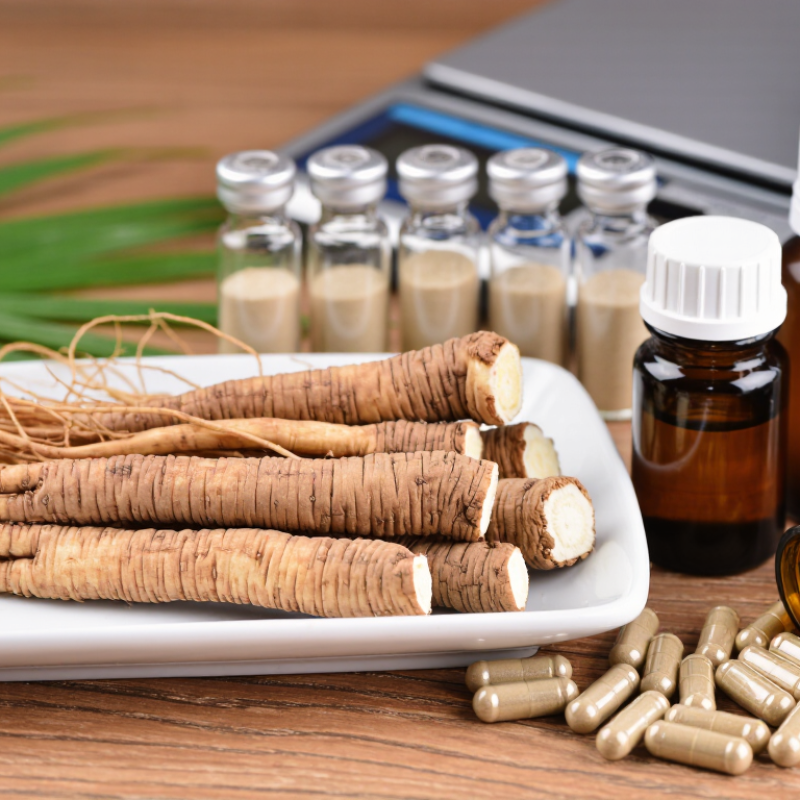
Tongkat Ali refers mainly to Eurycoma longifolia Jack, a small Southeast Asian tree. It grows naturally in Malaysia, Indonesia, and parts of Thailand. Its long, bitter roots have appeared in Malay traditional practices for generations. Traditionally, preparations were used for vitality, stamina, and general wellness. These uses describe cultural history, not confirmed medical effects.

The World Health Organization’s 2007 monograph on medicinal plants records Eurycoma longifolia as a traditional plant resource. However, it does not prove every modern supplement claim. A 2022 review in Molecules also noted limited human evidence and inconsistent extract standards. This matters because root extracts can differ in concentration, extraction method, and testing quality. Grand View Research estimated the global herbal supplements market at about USD 93.9 billion in 2023. That growth may attract more products, but market size does not equal product quality. The evidence is still incomplete.

Tips: Check the botanical name. Ask for a certificate of analysis. Look for testing of heavy metals, microbes, and undeclared ingredients. Review the extract ratio and origin. “Natural” is not a quality guarantee. One detail is easy to miss: some labels may use “Tongkat Ali” without clearly identifying the plant species. International buyers should also check local supplement rules and consult a qualified professional when health conditions or medicines are involved.

Key Compounds Found in Tongkat Ali Supplements

What Is Tongkat Ali Supplement for Global Buyers?

Tongkat ali supplements come from the roots of Eurycoma longifolia, a Southeast Asian plant. Buyers often focus on the plant name. The extract profile deserves closer attention. Eurycomanone is one widely discussed quassinoid compound. Other quassinoids may also contribute to the extract’s chemical character. Some analyses report beta-carboline alkaloids and polysaccharides as additional constituents. Their amounts can differ substantially.

Standardization matters. A product labeled “200:1” does not automatically contain more useful compounds. That ratio may describe raw-root weight, not a tested active marker. Buyers should request a certificate of analysis showing eurycomanone levels, botanical identity, moisture, and microbial results. Heavy-metal and pesticide testing are also important for international purchasing. The label is not always the whole story.

Evidence remains developing. Some small human studies have examined stress, mood, or hormone-related outcomes, but results are not uniform. Supplement users should avoid treating traditional use as proof of medical benefit. Quality can also change between harvests, extraction methods, and storage conditions. A dark powder, earthy smell, or high extract ratio cannot confirm authenticity. Independent laboratory testing provides stronger evidence. Regulations differ across countries, so import rules and permitted claims should be checked before distribution. A careful buyer may accept a less impressive label when the documentation is clearer.

What Is Tongkat Ali Supplement for Global Buyers? - Key Compounds Found in Tongkat Ali Supplements
Key compound or compound group Chemical category Where it is naturally reported Why it matters to buyers Common quality-control approach
Eurycomanone Quassinoid Roots of Eurycoma longifolia, commonly known as tongkat ali One of the best-known marker compounds used to distinguish tongkat ali root extracts from non-specific botanical powders. HPLC or LC-MS testing against a validated reference standard; results should identify the extract ratio and plant part tested.
Other quassinoids Highly oxygenated triterpenoid-related constituents Various parts of Eurycoma longifolia, with roots being the principal material used in supplements Help provide a broader chemical profile because a finished extract contains more than a single marker compound. Chromatographic fingerprinting, preferably combined with quantitative measurement of selected quassinoids.
Canthin-6-one and related canthin alkaloids β-Carboline-type alkaloids Reported in Eurycoma longifolia extracts and root-derived preparations Useful as supporting phytochemical markers when comparing botanical identity and extraction profiles. HPLC-DAD, LC-MS, or LC-MS/MS, with identity confirmation where required by the destination market.
β-Carboline alkaloids Alkaloids Naturally occurring secondary metabolites reported in tongkat ali root materials Add context to a full-spectrum botanical profile and may help laboratories detect unusual or incomplete extract profiles. Targeted LC-MS or validated HPLC methods; the test method should state limits of detection and quantification.
Scopoletin Coumarin Reported among the phenolic and coumarin constituents associated with tongkat ali plant material Can serve as an additional profile compound, although it is not generally the principal standardization marker for tongkat ali. HPLC or LC-MS analysis using an authenticated scopoletin standard.
Phenolic compounds and flavonoids Polyphenols Root and other botanical tissues, with levels influenced by growing conditions and extraction solvent Contribute to the overall chemical profile but are not, by themselves, proof of tongkat ali identity or extract potency. Total phenolic or total flavonoid assays may be used for screening; chromatographic profiling is more specific.
Polysaccharides High-molecular-weight carbohydrates Present in plant tissues and may remain in water-based or aqueous portions of an extract Relevant when comparing water extracts with solvent extracts, because extraction conditions can substantially change the composition. Total polysaccharide assays and carbohydrate profiling; these tests should not replace botanical authentication.
Mineral elements and other non-marker constituents Inorganic and miscellaneous plant constituents Dependent on soil, geography, plant age, processing, and contamination controls Important for safety and regulatory assessment, but not suitable as primary evidence of active-compound standardization. ICP-MS or ICP-OES for elemental analysis, supported by testing for heavy metals, pesticides, microbes, and adulterants.
Buyer note: Compound levels are not fixed values. They vary with plant part, geographical origin, harvest age, drying, extraction solvent, extract ratio, storage, and analytical method. A reliable specification should therefore include botanical authentication, a validated marker-compound test, and contaminant testing.

How Tongkat Ali Supplements Are Made and Formulated

What Is Tongkat Ali Supplement for Global Buyers?

Global buyers often ask what Tongkat Ali supplements are for. Manufacturing quality deserves equal attention. An herbal supplement begins with authenticated Eurycoma longifolia roots, not a generic botanical powder. Suppliers should verify species identity through macroscopic checks, microscopy, or DNA testing. The roots are then dried, milled, and extracted with controlled water or food-grade solvents. Extraction temperature matters. Excessive heat may damage sensitive compounds.

A reliable formulation records the extract ratio, solvent, batch number, and marker compounds. However, a high extract ratio does not automatically mean higher quality. Testing should cover heavy metals, pesticides, microbes, and undeclared pharmaceutical ingredients. The United States Food and Drug Administration’s 21 CFR Part 111 requires suitable manufacturing controls for dietary supplements. The National Institutes of Health also explains that supplements are not approved for safety or effectiveness before entering the market. The 2023 Council for Responsible Nutrition survey reported that 74% of U.S. adults use dietary supplements. Demand is strong, but trust remains fragile.

Tips: Request a recent certificate of analysis. Check whether it matches the exact batch. Ask for the plant part, extraction solvent, and testing laboratory. A clean certificate is useful, not magic. I would still question unclear “proprietary blends,” because they hide individual amounts. Formulation also needs practical care. Capsule weight, moisture protection, storage temperature, and allergen controls can affect the final product. Some specifications may look precise, yet real-world botanical variation is difficult to eliminate.

Potential Uses and Evidence for Global Consumers

What Is Tongkat Ali Supplement for Global Buyers?

Potential Uses and Evidence for Global Consumers

Tongkat ali, or Eurycoma longifolia, is a root-derived supplement from Southeast Asia. Traditional users have taken it for vitality, sexual wellbeing, and physical stamina. Modern research has explored stress, testosterone levels, and exercise performance. The evidence remains limited, especially for healthy adults.

Several small human studies report possible improvements in perceived stress or hormonal measures. Results vary by extract, dose, study length, and participant health. Some trials lasted only a few weeks. That is not enough to confirm lasting benefits. Evidence for muscle growth or fertility support is also developing, not settled.

Read the label carefully. It should identify the plant species, extract strength, serving size, and independent testing information. A plain powder is not equivalent to a standardized extract. Contamination and inaccurate labeling remain practical concerns in international supplement markets. Choose products with batch testing when available. Avoid assuming “natural” means risk-free.

Potential side effects may include insomnia, irritability, stomach discomfort, or restlessness. People using hormone-related medicines, or managing liver, heart, or mental health conditions, should seek professional advice before use. Local rules differ, and some sports organizations restrict certain ingredients or require disclosure. I would not rely on one impressive study or an online testimonial. The research is promising in places, but still uneven.

Safety, Dosage, Quality Standards, and Buying Considerations

What Is Tongkat Ali Supplement for Global Buyers?

Safety, Dosage, Quality Standards, and Buying Considerations

Tongkat Ali is commonly sold as a botanical extract for energy, stress support, and male vitality. Human evidence remains limited and uneven. A 2022 review in Phytotherapy Research found promising findings, but emphasized small samples and inconsistent extract standards. A universal dosage does not exist. That matters. Some clinical studies used 200–400 mg of standardized extract daily, but buyers should not copy this range automatically. Medical conditions, medicines, and extract strength can change the risk. Reported concerns include insomnia, stomach discomfort, irritability, and possible contamination. NIH’s Office of Dietary Supplements states that supplements are not approved for safety and effectiveness before marketing in the United States.

Quality is more than a polished label. Look for botanical identity testing, a visible batch number, and a current certificate of analysis. The report should cover heavy metals, microbes, pesticides, and undeclared pharmaceutical ingredients. Testing should come from an independent laboratory. GMP production is useful, but GMP alone does not prove potency.

WHO reported that 170 of 194 member states use traditional medicine, showing broad demand but also the need for stronger oversight (WHO Global Report on Traditional and Complementary Medicine, 2019). Buyers should also check local import rules, language requirements, and stability data. Standards differ between markets.

Tips: Compare extract ratios, not only milligrams. Avoid “instant results” claims. Ask who tested the batch. If the paperwork is vague, pause. A pharmacist can review possible interactions, especially with blood-pressure, diabetes, or psychiatric medicines. That extra check may feel unnecessary, but it is often the sensible step.

FAQS

What is Tongkat Ali?

Tongkat Ali mainly refers to Eurycoma longifolia Jack. It is a small tree from Southeast Asia. Its bitter roots have traditional uses for vitality and stamina. Traditional use does not prove medical effects.

Where does Tongkat Ali come from?

The plant grows naturally in Malaysia, Indonesia, and parts of Thailand. Its roots are commonly processed into powders or extracts. Origin matters because growing conditions can affect plant quality.

What benefits are being studied?

Research has examined stress, testosterone levels, sexual wellbeing, and exercise performance. Some small studies found possible improvements. The results vary widely. The evidence is still incomplete.

Is Tongkat Ali proven to build muscle or support fertility?

Not conclusively. Human studies are limited and often short. Extract strength and participant health can differ. One impressive study is not enough.

Is there a universal daily dosage?

No universal dosage exists. Some studies used 200–400 milligrams of standardized extract daily. Do not copy that range automatically. Extract strength and personal health can change the risk.

What side effects may occur?

Reported concerns include insomnia, irritability, restlessness, and stomach discomfort. Some people may react differently. Stop and seek professional advice if symptoms become concerning.

How can buyers check product quality?

Check the botanical name, extract ratio, serving size, batch number, and origin. Request a current certificate of analysis. Testing should cover heavy metals, microbes, pesticides, and undeclared ingredients. A polished label proves little.

Who should seek advice before using it?

People taking hormone-related, blood-pressure, diabetes, or psychiatric medicines should ask a qualified professional. Extra caution is sensible with liver, heart, or mental health conditions. Local supplement rules also differ. I would not assume natural means risk-free.

Conclusion

Tongkat Ali Supplement refers to products made from the roots of Eurycoma longifolia, a plant traditionally used in Southeast Asian wellness practices. This article explains the plant’s origins, identity, and traditional role, then introduces naturally occurring compounds commonly discussed in supplement formulations. It also outlines how the raw material may be dried, extracted, standardized, and combined with other ingredients to create capsules, powders, or liquid products.

For global consumers, Tongkat Ali Supplement may be considered for general vitality, energy, stress management, and support for healthy hormonal function, although scientific evidence can vary by purpose and product quality. The article also covers responsible use, including serving size, potential sensitivities, manufacturing controls, testing for purity, accurate labeling, and compliance with local regulations. Buyers are encouraged to review ingredient transparency, extraction information, independent quality testing, storage guidance, and professional advice when appropriate before choosing a product.

Evelyn

Evelyn

Evelyn is a dedicated marketing professional with a deep expertise in the company’s product offerings. With a passion for sharing knowledge, Evelyn consistently contributes to the company’s professional blog, providing insightful articles that highlight the features and benefits of our products.......